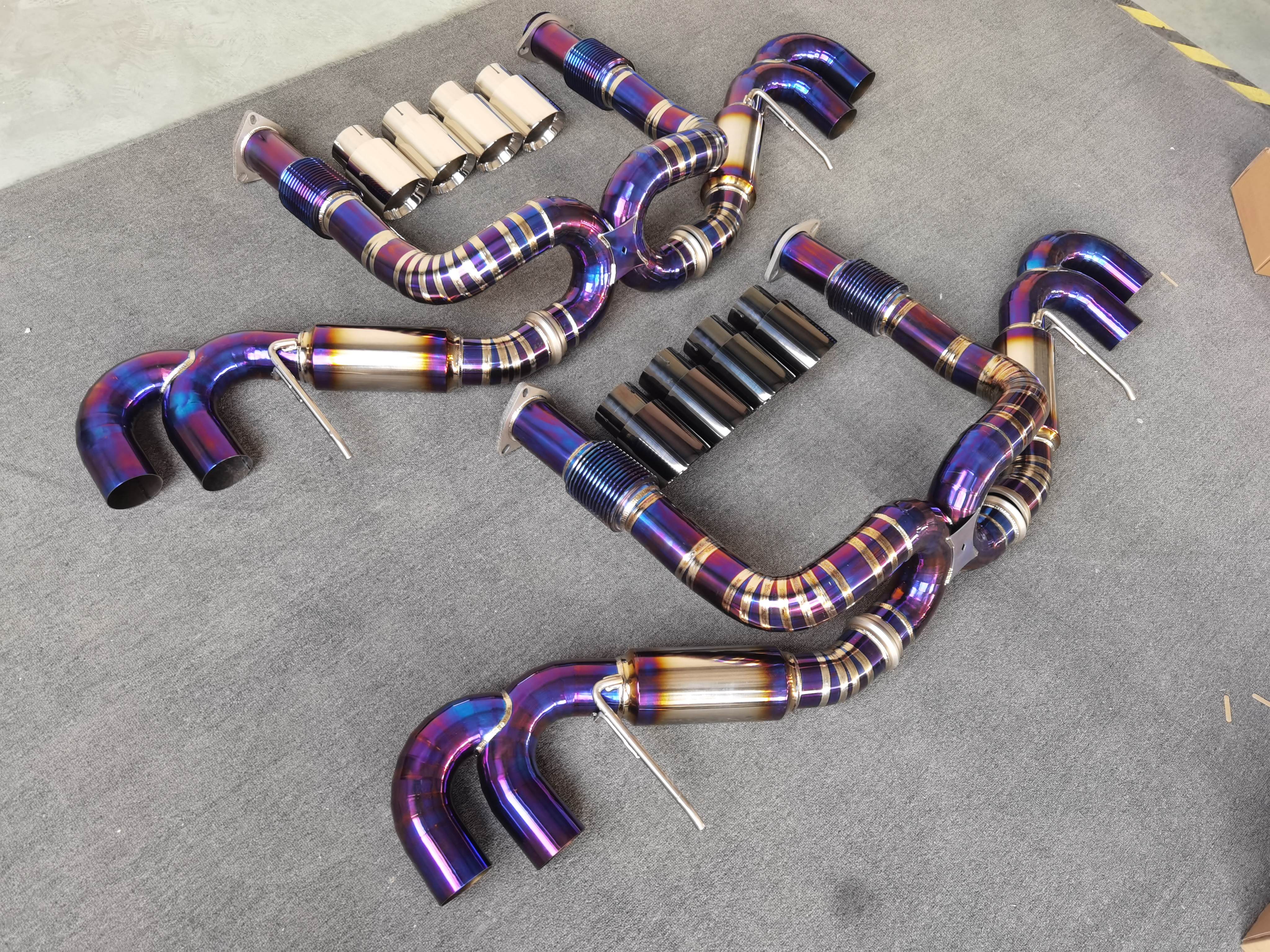
Welding is an art, a science, and a craft that requires patience, precision, and skill. For beginners, mastering the basics like straight beads, simple joints, and managing heat control is a major achievement. But once you’ve gained confidence in these foundational skills, it’s time to level up! Challenging yourself with more advanced welding projects not only sharpens your abilities but also expands your creativity and problem-solving skills. Here are five welding challenges to tackle after mastering the basics:
1. Overhead Welding
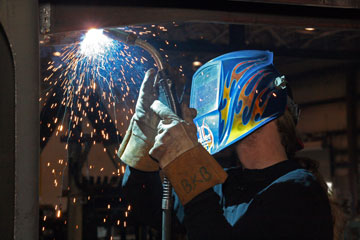
Welding on a flat surface is a controlled, predictable process—but overhead welding takes things to a whole new level. The challenge of working against gravity requires better technique, precise heat control, and a steady hand. Molten metal can drip, so proper safety gear is critical. Overhead welding is an excellent way to refine your control and learn how to adjust your speed and angle to create clean, strong welds in this unconventional position.
2. TIG Welding Thin Materials
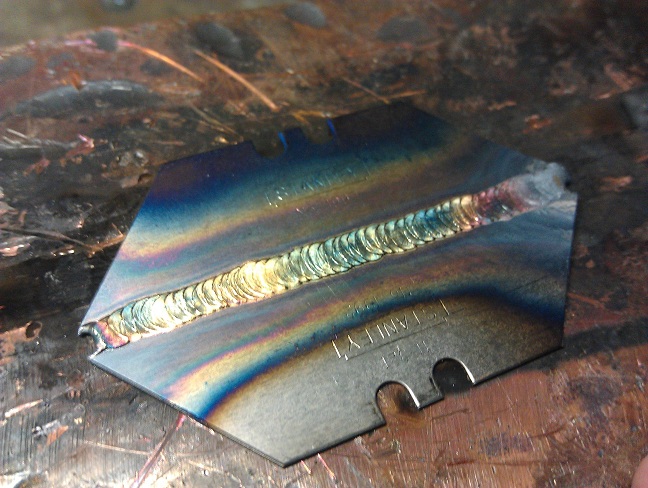
Tungsten Inert Gas (TIG) welding is one of the most precise welding methods, often used for delicate and intricate work. Trying your hand at welding thin materials like aluminum or stainless steel will teach you to master heat management and filler rod control. Too much heat can burn through or warp the material, while too little can leave a weak weld. This challenge is perfect for welders looking to hone their attention to detail and finesse.
3. Pipe Welding
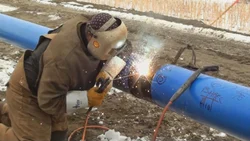
Pipe welding is a critical skill in industries like construction, plumbing, and oil and gas. Unlike flat welding, pipe welding involves working with curved surfaces and often requires welding in multiple positions. This makes it a highly technical skill to master. Tackling pipe welding will push you to think about weld sequencing, joint preparation, and achieving consistent, strong welds around a cylindrical object.
4. Fabricating a Complex Metal Project
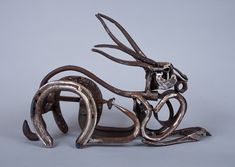
Once you’re comfortable with different welding techniques, take on the challenge of fabricating a full-scale project from scratch. Whether it’s a custom barbecue grill, a metal sculpture, or a functional piece of furniture, designing and building something complex tests not only your welding skills but also your planning and problem-solving abilities. Projects like these also involve cutting, measuring, and assembling multiple parts, which can be an exciting way to bring your creative ideas to life.
5. Working with Exotic Metals
Steel and aluminum are the bread and butter of most welders’ work, but there’s a whole world of exotic metals out there to explore. Metals like titanium, magnesium, or copper come with their own unique properties and challenges. For instance, titanium requires an extremely clean environment and precise control to avoid contamination. Exploring exotic metals will push you to adapt to new techniques and deepen your understanding of metallurgical principles.
Final Thoughts
Once you’ve conquered the fundamentals of welding, these challenges will help you elevate your craft and expand your skill set. From mastering difficult positions like overhead welding to experimenting with exotic metals, these tasks will keep you engaged and continually improving. Remember, welding is as much about practice and perseverance as it is about technical knowledge. So, gear up, stay safe, and let your welding journey continue!