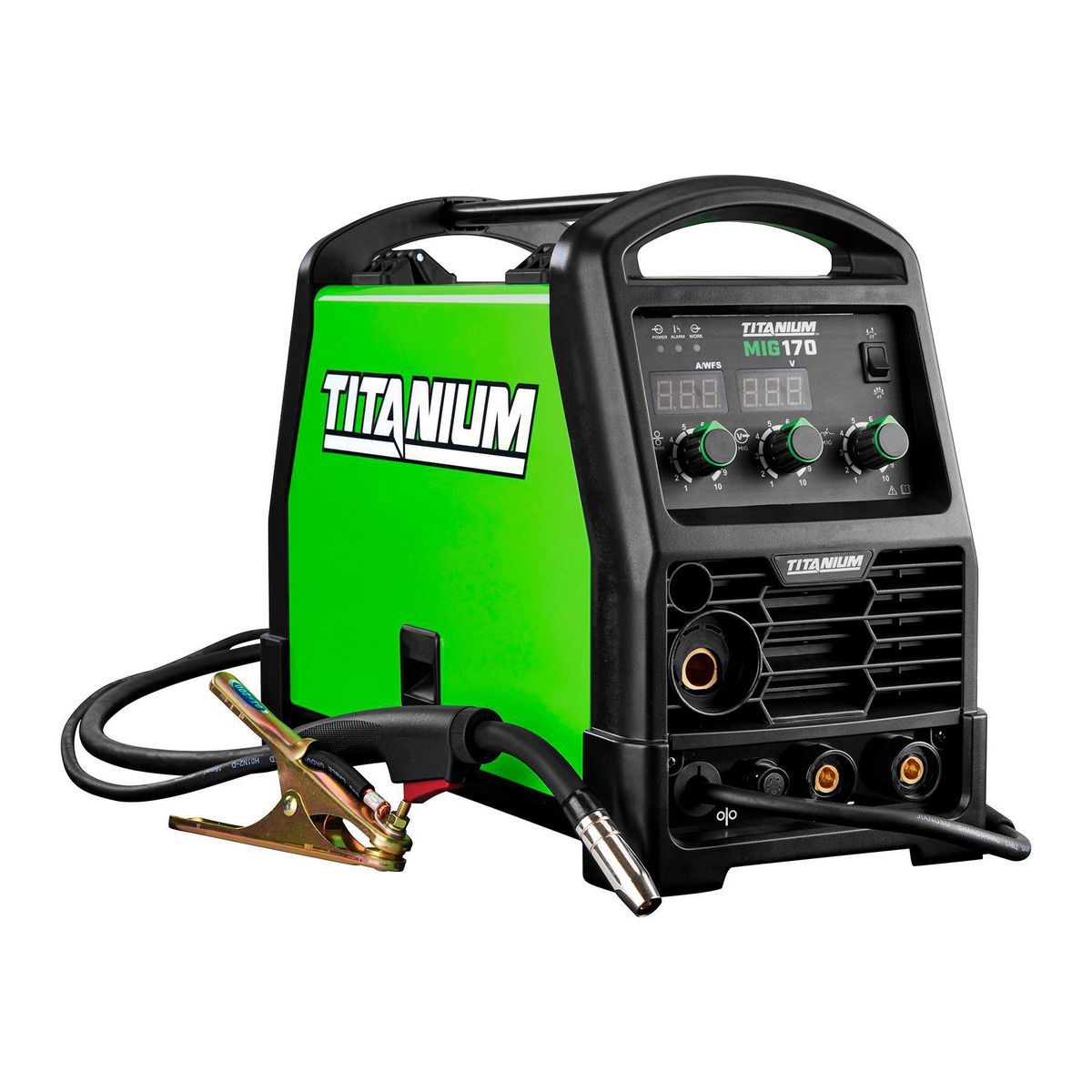
Flux core welding is a versatile and cost-effective welding process, and a 110V flux core welder is an excellent tool for beginners, hobbyists, and DIY enthusiasts. Its portability, affordability, and ability to weld without a shielding gas make it a popular choice for light-duty welding tasks, especially when working with mild steel or outdoors where wind can disrupt traditional MIG welding. However, to achieve the best results with your 110V flux core welder, you’ll need to fine-tune your techniques and optimize its settings. This article offers tips and insights to help you get the most out of your 110V flux core welder.
Understanding Flux Core Welding
Flux core welding, or FCAW (Flux-Cored Arc Welding), uses a tubular wire filled with flux to shield the weld pool from contamination. This eliminates the need for an external shielding gas, making it well-suited for outdoor welding and less-than-ideal conditions.
A 110V welder operates on standard household power, making it a convenient choice for small welding projects. However, these welders are typically limited in power and are best suited for materials up to 1/4 inch thick. With proper technique and setup, you can still produce strong, clean welds.
Setting Up Your 110V Flux Core Welder
The first step in maximizing your welder’s performance is setting it up correctly. Here's how to get started:
1. Choose the Right Wire
- Flux core wire comes in different sizes and types. For most 110V welders, .030-inch or .035-inch wire is recommended for general-purpose welding.
- Use the appropriate wire type for your project. For mild steel, E71T-11 is a commonly used flux core wire.
2. Use a Dedicated 20-Amp Circuit
- Many 110V welders draw significant amperage, so plugging them into a standard household outlet may cause the circuit breaker to trip. A dedicated 20-amp circuit ensures consistent performance.
3. Ground Connection
- A solid ground connection is essential for clean welds. Clamp the ground lead securely to a clean, bare metal surface close to the welding area.
4. Adjust Your Settings
- Most 110V welders have adjustable voltage and wire feed speed settings. Refer to the welder’s user manual for recommended settings based on the thickness of the material and wire size. Start with the recommended settings and fine-tune as needed.
Tips for Better Flux Core Welding
Even with a small 110V welder, you can achieve excellent results by following these best practices:
1. Clean the Base Metal
- Properly clean the metal surface to remove rust, paint, oil, and dirt. Contaminants can cause poor weld quality and excessive spatter. Use a wire brush, grinder, or sandpaper to prepare the material.
2. Use the Correct Polarity
- Flux core welding typically requires DC Electrode Negative (DCEN) polarity. Double-check your welder’s polarity settings to ensure they match the requirements of your flux core wire.
3. Focus on Joint Fit-Up
- Proper joint preparation and fit-up are critical for strong welds. Ensure the pieces being welded are tightly fitted and aligned.
4. Master the Travel Angle
- Maintain a drag technique (pulling the torch away from the weld puddle) at a 10-15 degree angle. This helps achieve better penetration and reduces spatter.
5. Optimize Travel Speed
- Move the torch steadily and consistently. Too fast, and you’ll have poor penetration; too slow, and the weld can pile up or burn through thinner material.
6. Control Heat Input
- Since 110V welders have limited power, avoid overheating the base material. For thicker materials (over 1/4 inch), consider making multiple passes to build up the weld instead of trying to penetrate in a single pass.
7. Deal with Spatter
- Flux core welding produces more spatter than MIG welding. Minimize spatter by using the correct settings and cleaning the nozzle and contact tip regularly. Anti-spatter spray can also help.
8. Use Proper Safety Gear
- Always wear appropriate safety gear, including a welding helmet with the correct shade, welding gloves, and flame-resistant clothing. Flux core welding generates sparks and smoke, so work in a well-ventilated area.
Pushing Your Welder’s Limits
Although 110V flux core welders are designed for light-duty projects, you can expand their capabilities with a few techniques:
1. Preheat the Metal
- Preheating thicker materials with a propane torch can help improve penetration by reducing the heat sink effect of the metal.
2. Make Multiple Passes
- For thicker joints, perform multiple passes. Start with a root pass to ensure penetration, followed by filler and cap passes for strength and appearance.
3. Weld in Short Bursts
- To prevent overheating and warping, use a stitch welding technique. Weld in short bursts, allowing the material to cool slightly between passes.
Common Applications for 110V Flux Core Welders
While they may not be suitable for heavy-duty industrial work, 110V flux core welders are perfect for a variety of applications:
- Automotive Repairs: Fixing exhaust pipes, patching panels, and fabricating brackets.
- DIY Projects: Building furniture, garden equipment, and small structures.
- Farm and Ranch Work: Repairing gates, fences, and equipment.
- Hobbyist Welding: Crafting sculptures, art, and decorative pieces.
Maintaining Your 110V Flux Core Welder
Regular maintenance ensures your welder remains reliable and produces consistent results:
- Clean the nozzle and contact tip after each use to prevent clogs.
- Inspect the ground clamp and cable for damage.
- Replace worn-out consumables, such as liners and tips, as needed.
- Store the welder in a dry, dust-free environment to prevent rust and corrosion.
Conclusion
A 110V flux core welder is a powerful and portable tool for light-duty welding projects. By understanding its capabilities, using the right techniques, and optimizing your setup, you can achieve high-quality welds and tackle a variety of projects with confidence. Whether you’re a beginner learning the basics or a seasoned welder working on DIY tasks, mastering your 110V flux core welder will open up endless possibilities for creative and practical applications.