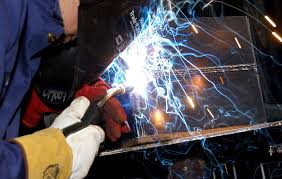
MIG (Metal Inert Gas) welding, also known as Gas Metal Arc Welding (GMAW), is one of the most beginner-friendly welding techniques. Its simplicity, versatility, and efficiency make it an excellent choice for anyone new to welding. Whether you’re aiming to repair, build, or fabricate, MIG welding provides a solid foundation to start your welding journey.
What Is MIG Welding?
MIG welding uses a continuously fed wire electrode and a shielding gas to create a weld. The wire melts as it contacts the base metal, joining the two materials together. The shielding gas, typically a mixture of argon and carbon dioxide, protects the weld from atmospheric contaminants like oxygen and nitrogen, ensuring a strong, clean weld.
Why Choose MIG Welding?
- Ease of Use: MIG welding is straightforward compared to other welding methods. The automatic feeding of the wire eliminates the need for frequent electrode changes.
- Speed: With a continuous wire feed, MIG welding is faster than stick welding or TIG welding for most applications.
- Versatility: MIG welding works well on a variety of materials, including mild steel, stainless steel, and aluminum, making it suitable for multiple projects.
- Cost-Effective: MIG welding equipment is widely available and relatively affordable, with options ranging from budget-friendly to professional-grade setups.
Essential Equipment
To get started with MIG welding, you’ll need the following tools and materials:
- MIG Welder: Choose a welder that suits your needs. For beginners, a basic 110V MIG welder is sufficient for light-duty projects.
- Wire Feed: Select a wire that matches your material. For mild steel, ER70S-6 is a common choice.
- Shielding Gas: Use a mix of 75% argon and 25% CO2 for general steel welding. Pure argon is better for aluminum.
- Safety Gear: A welding helmet with auto-darkening capabilities, gloves, a welding jacket, and steel-toed boots are essential to protect yourself from sparks, UV radiation, and heat.
- Clamps and Grounding: Secure your workpiece with clamps, and ensure your welder’s ground clamp is firmly attached.
Steps to Start MIG Welding
- Prepare Your Workspace: Set up in a well-ventilated area. Clean the base metal to remove rust, grease, or paint that could weaken the weld.
- Set Up the Welder: Install the wire spool, thread the wire through the torch, and connect the shielding gas. Adjust the voltage and wire speed based on the thickness of your material.
- Practice on Scrap Metal: Before starting your project, practice on scrap metal to get a feel for the welder’s settings and technique.
- Strike the Arc: Hold the welding gun at a 15° angle and maintain a steady motion along the joint. Keep the nozzle close to the workpiece but avoid direct contact.
- Inspect Your Weld: A good weld should have a smooth bead, proper penetration, and no visible cracks or holes. Adjust settings if necessary.
Common Mistakes to Avoid
- Moving Too Fast: This creates weak welds with insufficient penetration.
- Incorrect Gas Flow: Too much or too little gas can compromise the weld’s quality.
- Poor Metal Preparation: Dirty or unclean surfaces lead to weak bonds.
Conclusion
MIG welding is an excellent starting point for beginners. With the right equipment, safety precautions, and a bit of practice, you’ll be ready to tackle basic projects in no time. As you gain experience, you can refine your skills and explore more advanced welding techniques. Happy welding!